


Operating a watercraft on Florida’s central Gulf Coast requires balancing an appreciation for the lifestyle with a precise understanding of preventive maintenance. The unique marine conditions surrounding St. Petersburg—characterized by high salinity, intense UV exposure, and shallow, shifting sandbars—put substantial stress on standard engineering components. For local captains utilizing Tampa Bay or running offshore into the open Gulf, addressing mechanical and cosmetic wear before a critical system failure is essential. A disciplined maintenance strategy protects your financial investment and ensures your platform remains legally compliant and safe under heavy operational demands.
1. The Cost of Saltwater and Ultraviolet Exposure
The sub-tropical climate of Pinellas County introduces distinct environmental challenges that degrade marine hardware at an accelerated pace.
- Galvanic and Atmospheric Corrosion: Saltwater acts as an aggressive electrolyte. Without active sacrificial zinc anodes and routine structural flushes, standard aluminum components, steering cables, and internal cooling galleries face rapid oxidation.
- Thermal Stress and Phase Separation: High humidity and ambient heat accelerate the degradation of marine fuel lines. E10 ethanol fuel blends can experience phase separation when left sitting, causing critical moisture accumulation in water separators that can sputter your propulsion system in a narrow channel.
- UV Degradation: Constant sun exposure bakes fiberglass gelcoats and breaks down vinyl stitching, leading to micro-cracks and structural material failure.
2. Comprehensive Mechanical and Diagnostics Capabilities
Addressing complex electrical and mechanical tasks requires professional-grade diagnostic software and factory-certified engineering.
- Precision Outboard Calibration: Modern high-horsepower powerplants rely on intricate computer modules. Certified technicians handle everything from high-pressure fuel pump testing to advanced throttle-by-wire adjustments.
- Electrical and Tech Integration: High-traffic zones like Egmont Pass require seamless electronics performance. Upgrading or repairing your integrated GPS arrays, digital sounders, and NMEA 2000 communication loops prevents dangerous mid-transit blackouts.
- Fiberglass and Structural Realignment: Minor gelcoat stress fractures or serious hull impacts require composite material matching and specialized resins to restore structural integrity. If your current hull has reached its operational limit, consider evaluating your asset value through our Sell / Trade division.
3. Sourcing Structural and Cosmetic Refurbishments
Maintaining the visual and physical properties of a luxury cruiser or center console extends the lifespan of the platform and preserves maximum market resale value.
- Canvas and Upholstery Fabrication: Heavy sun exposure compromises bimini tops, t-tops, and bench stitching. Re-covering marine seating with dense, marine-grade vinyls and high-tensile threading prevents deep foam rot.
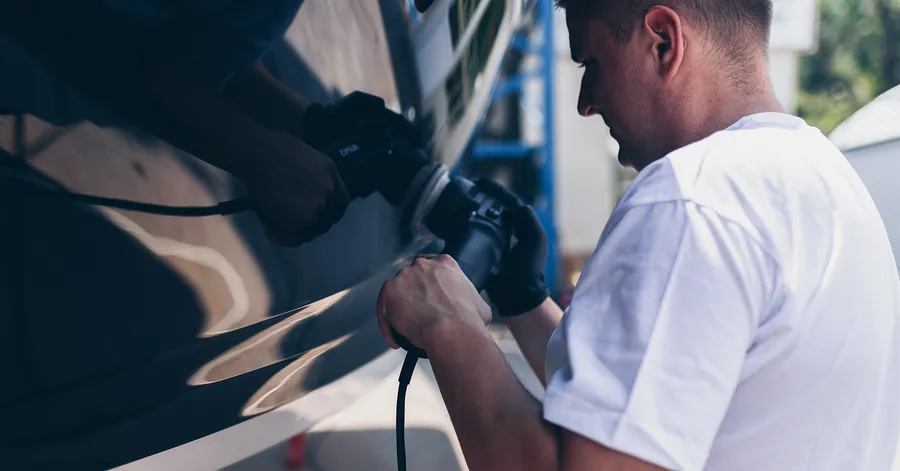
- Hull Detailing and Barrier Protection: Professional hull compounding, polishing, and high-solid polymer sealing create a vital barrier against marine growth and sun oxidation.
- Component Acquisition: For owners managing routine personal upkeep, procuring factory-authorized OEM hardware, lubricants, and seasonal filters is crucial. You can access an expansive inventory of over 200,000 marine parts directly through our specialized Parts counter.
4. Professional Execution vs. DIY Risks
While basic steps like clearing the deck or checking fluid levels can be performed at home, technical operations carry substantial liability if handled incorrectly.
- The Diagnostic Variable: Guessing at a fault code or failing to precisely torque an internal block component can turn a simple fix into a total engine failure.
- Environmental Protections: Professional shops utilize dedicated containment systems to legally handle and dispose of spent engine oils, toxic coolants, and contaminated fuel.
- Factory Assurances: Entrusting your platform to a certified facility protects your factory warranties. To secure comprehensive long-term protection for your asset's mechanical, electrical, and cosmetic components, ask our specialists about our comprehensive Extended Service Contracts.
5. Securing Long-Term Fleet Reliability
An optimized preventative service schedule ensures that your bilge pumps, raw-water impellers, and starter batteries perform flawlessly when handling heavy seasonal currents or sudden storms.
- Propulsion Upgrades: If your aging outboard requires frequent repairs or lacks modern fuel economy, our Mercury Repower and Yamaha Repower options can outfit your transom with cutting-edge digital controls and maximum reliability.
- Inventory Expansion: If you choose to transition into a new layout featuring factory-integrated navigation suites and updated structural warranty coverages, explore our expansive collection of New Boats or inspect our thoroughly reviewed Used Boats.
Frequently Asked Questions
How do I schedule a certified multi-point inspection?
You can connect directly with our full-time team of factory-trained technicians by submitting an inquiry through our dedicated Service department page.
What financial avenues exist for funding major repower or electronics overhauls?
Our internal Financing department builds customized credit configurations, allowing you to seamlessly bundle major mechanical service, new outboards, or advanced marine electronics into one predictable monthly framework.
How do I locate the Central Marine St. Petersburg facility?
To review our operational hours, service bay locations, and phone numbers, visit our Contact page. You can read about our decades of local maritime history on our About page, view community workshops on the Events page, track continuous technical guides on our Blog, meet our technical directors on the Staff page, or view verified consumer feedback on our Reviews page.