


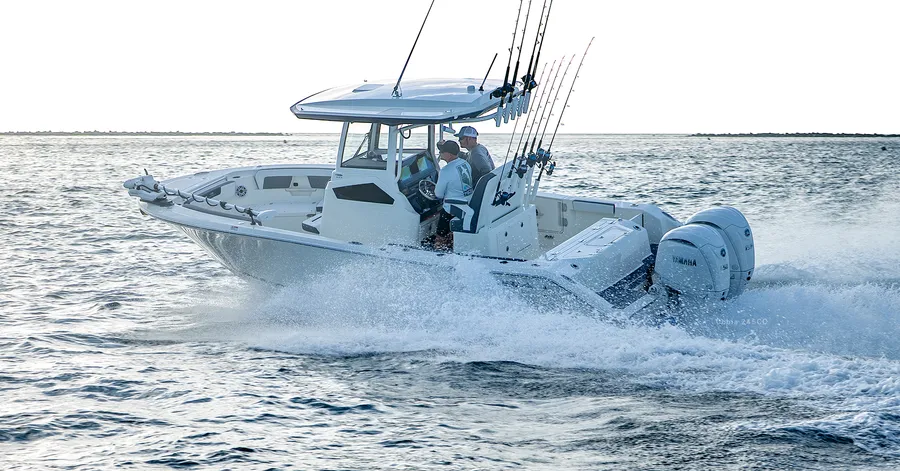
Navigating the highly congested waterways of the central Gulf Coast during a peak summer weekend demands sharp situational awareness, defensive seamanship, and absolute mechanical confidence. When popular channels in St. Petersburg, Clearwater, and Tampa Bay fill with recreational watercraft, personal watercraft, and commercial vessels, the complexity of basic navigation escalates. Implementing a structured strategy for timing, route planning, and right-of-way protocols allows local captains to mitigate safety risks and avoid costly liabilities.
Ensuring a successful holiday or weekend excursion relies entirely on deliberate preparation and adapting your operations to handle heavy traffic.
1. Optimize Departure and Arrival Logistics
Managing a busy weekend begins before you ever turn the ignition key. Strategic timing allows you to bypass the highest-stress periods at local ramps, fuel docks, and narrow channels.
- Early-Morning Launches: Clearing the wake zones before the mid-day rush ensures uncrowded channels and allows you to claim optimal anchorage positions at popular regional destinations.
- Late-Afternoon Transits: Utilizing the later hours of the day often provides calmer water conditions, reduced vessel traffic, and open slips at local waterfront dining establishments.
- Tidal Dynamics: Heavy traffic forces vessels closer to the edges of marked channels. Review local tide charts closely; a low-tide draft restriction combined with heavy boat wakes can easily ground a vessel running too close to the flats.
- Pre-Season Systems Audit: High-traffic environments require quick throttle response and reliable cooling systems. Schedule a diagnostic multi-point inspection with our certified technicians at the Service department to verify your bilge pumps, blowers, and steering gear are fully prepared for peak-season demands.
2. Identify and Navigate High-Congestion Hotspots
Understanding where vessel traffic concentrates allows you to plan alternative routes or adjust your navigation style to handle increased wake activity and close-quarters maneuvering.
- Clearwater Pass and Caladesi Island: These locations feature dense concentrations of anchored vessels, low-speed traffic, and heavy wake action on sunny weekend afternoons.
- Anclote River and Tarpon Springs: The narrow, walled channels leading to the Sponge Docks require strict speed discipline, minimal wake production, and defensive tracking.
- Egmont Key and Fort De Soto: Positioned at the mouth of the bay, these areas experience complex currents combined with high-volume weekend traffic, requiring constant vigilance at the helm.
- Alternative Routing: Utilize your chart plotter to identify lesser-known secondary channels or quieter bays away from the primary traffic lanes to ensure a lower-stress cruising experience.
3. Implement Strict Waterway Etiquette and Protocols
When multiple vessels operate in tight proximity, adherence to federal and state navigation rules is your primary defense against a close-quarters emergency.
- Velocity Regulation: Strictly respect all posted "Slow Speed, Minimum Wake" and "Idle Speed" markers. Excess wakes near docks, seawalls, and anchored vessels create severe safety hazards and can cause structural damage.
- Proactive Separation: Give smaller watercraft, kayakers, and anchored vessels a wide berth. Avoid aggressive, close-range passing maneuvers that leave little room for error if the other vessel makes an unpredictable turn.
- Illumination and Signaling: Ensure your navigation lights are fully functional well before dusk. Utilize standard VHF marine radio channels or clear hand signals to indicate your navigational intentions to other captains in tight spaces.
4. Comprehensive Onboard Safety and Equipment Readiness
Heavy traffic increases the statistical likelihood of an emergency, making complete equipment compliance a legal and operational necessity.
- Mandatory Safety Gear: Ensure you have a Coast Guard-approved, properly sized life jacket for every passenger on board. Verify that your onboard fire extinguishers are charged and your first-aid kit is fully stocked. You can source all necessary marine safety accessories directly at our local Parts counter.
- Integrated Navigation Technology: Utilize a combination of physical charts, GPS plotters, and functioning depth finders to monitor changing depths. If your current boat is lacking updated navigation suites or feels unstable in heavy chop, inspect our advanced New Boats and strictly evaluated Used Boats to upgrade your platform.
- Resource Management: Account for longer wait times at fuel docks and public boat ramps by carrying extra fuel, fresh water, and communication backups. Know the exact locations of the nearest public slips and Coast Guard stations along your planned route.
5. Strategy for a Controlled, Low-Stress Excursion
You can completely avoid the stress of the crowds by shifting your destination strategy to more protected, less frequented pockets of the Pinellas county coastline.
- Protected Anchorages: Look for deep, land-locked bays that shield your vessel from the heavy wakes of the main shipping channels, creating a safer environment for swimming or relaxing.
- Alternative Islands: Pockets around Honeymoon Island or the northern stretches of the bay often feature less congested anchorages compared to the high-density sandbars.
- Onboard Management: Keep the crew organized, distribute passenger weight evenly to maintain a level running attitude, and limit distractions around the helm station so the captain can focus entirely on safe navigation.
Frequently Asked Questions
What are my options if I want to trade in my current boat for a larger model?
We offer streamlined, market-accurate evaluations through our Sell / Trade department, allowing you to easily roll the equity of your current boat into a more stable platform designed for open Gulf transit.
Is financing available for upgrading outboards or onboard navigation tech?
Yes. Our specialized Financing department can structure a custom loan package that bundles your vessel, high-performance power, and advanced marine electronics into one predictable monthly invoice.
How do I contact the team at Central Marine?
Learn about our history and commitment to St. Pete boaters on our About page. Check for upcoming captain safety courses on our Events page, read continuous technical updates on our Blog, meet our personnel on the Staff page, or browse verified customer Reviews to see why local boaters trust us. For showroom hours and directions, visit our Contact page.